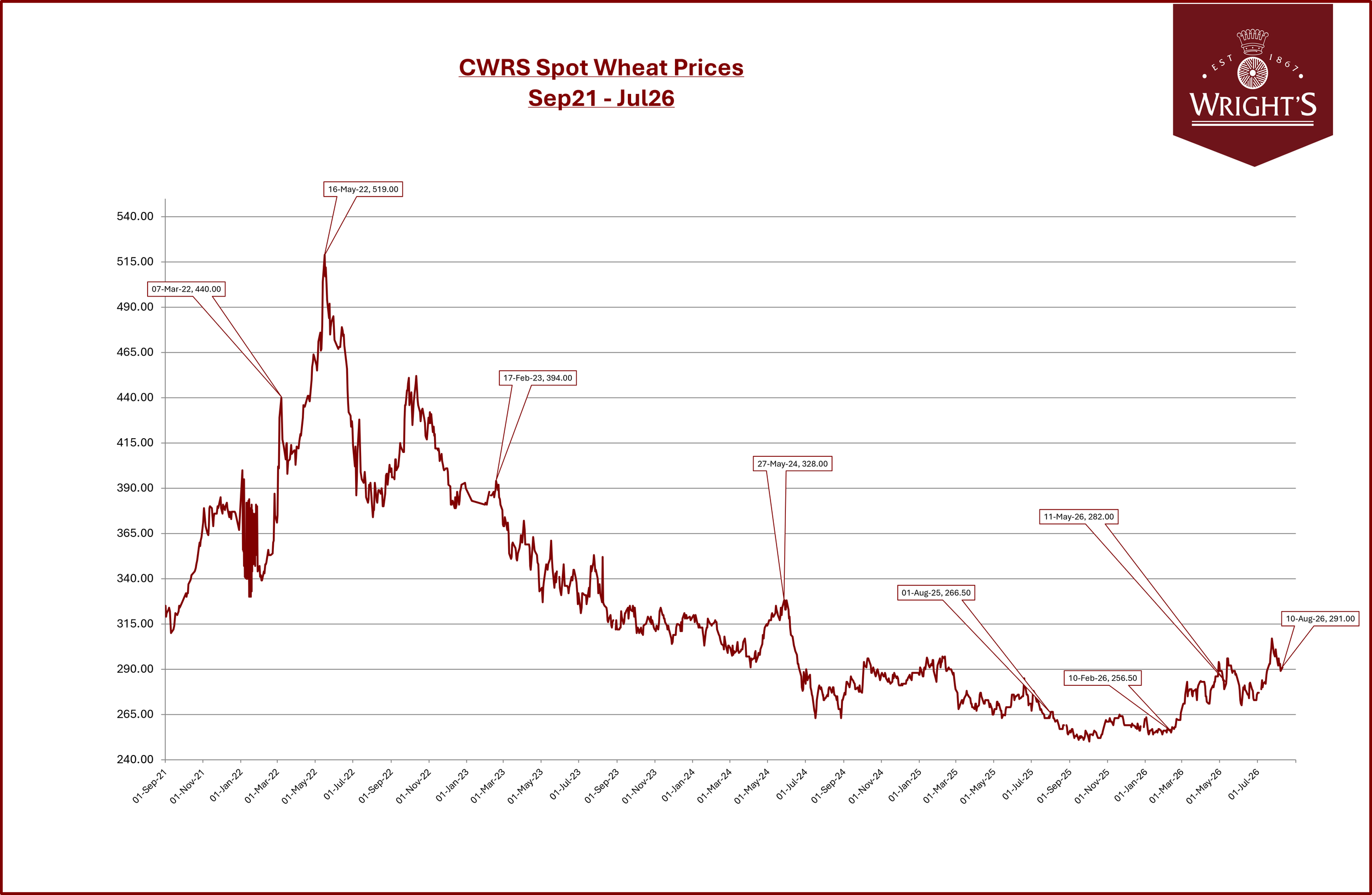
Wheat Market Update - The Heat is On

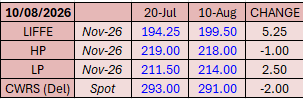
Market Drivers
Bullish Factors
Exporter stocks decline sharply in 2026/27
Russia-Ukraine shipping tensions
Weather: EU, US heat/ El Nino threat
Bearish Factors
Comfortable end-2025/26 major exporter wheat stocks
De-escalation in Iran-US hostilities
Middle East/ North Africa harvests shrink import needs
Executive Summary
📉 Sentiment Indication: Revived Russia-Ukraine hostilities have reawakened concerns for Black Sea grain export.
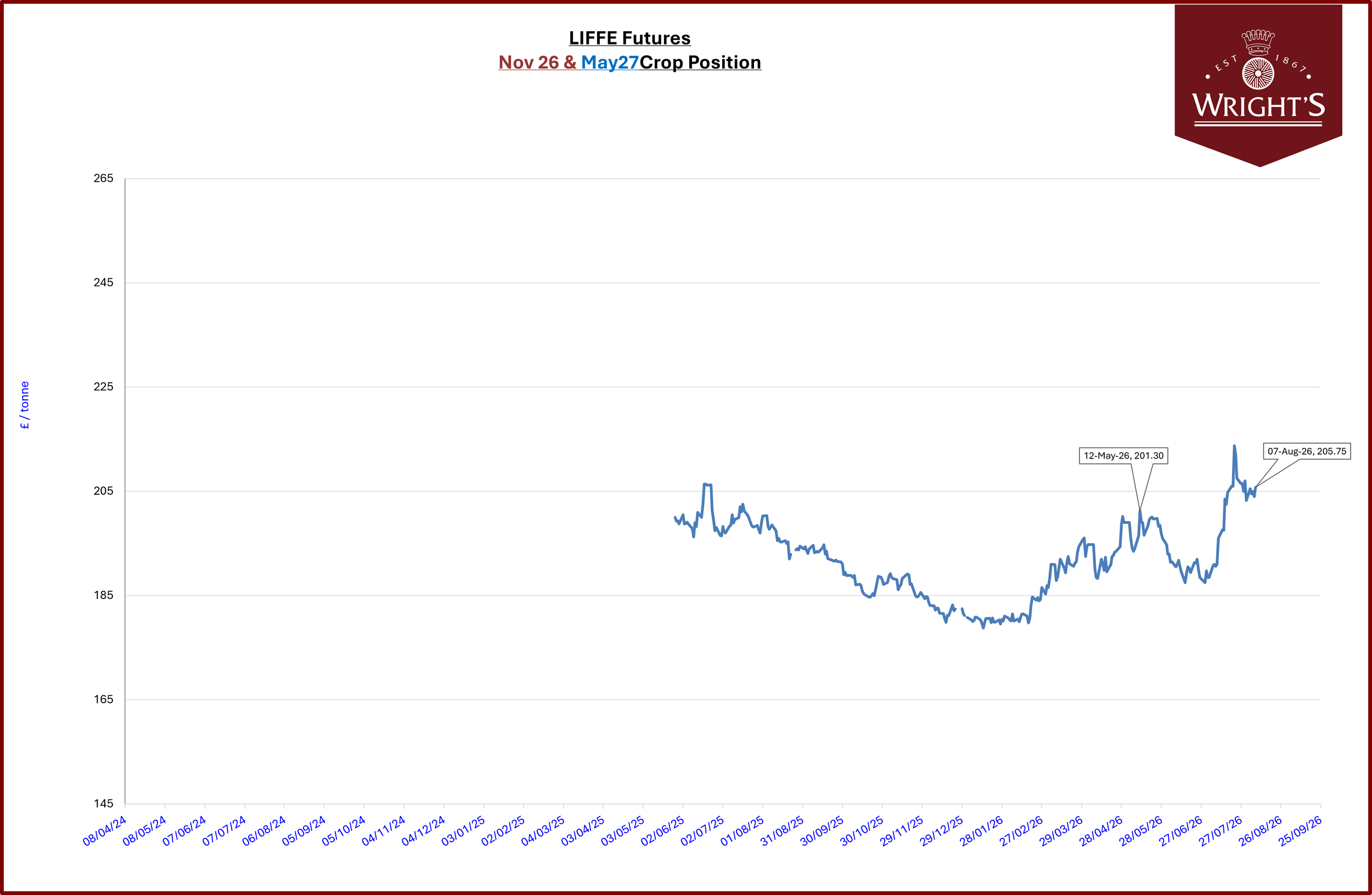
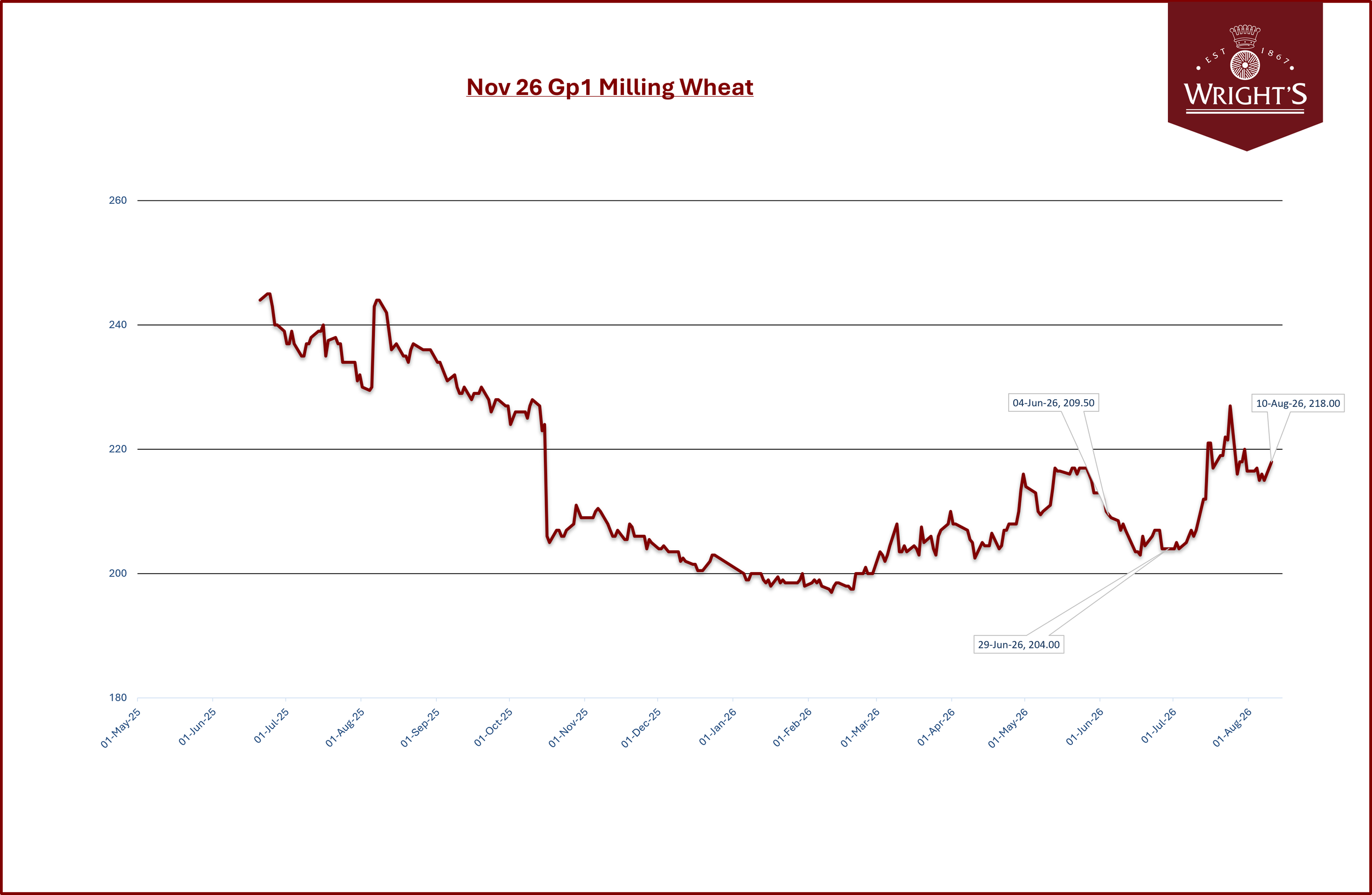
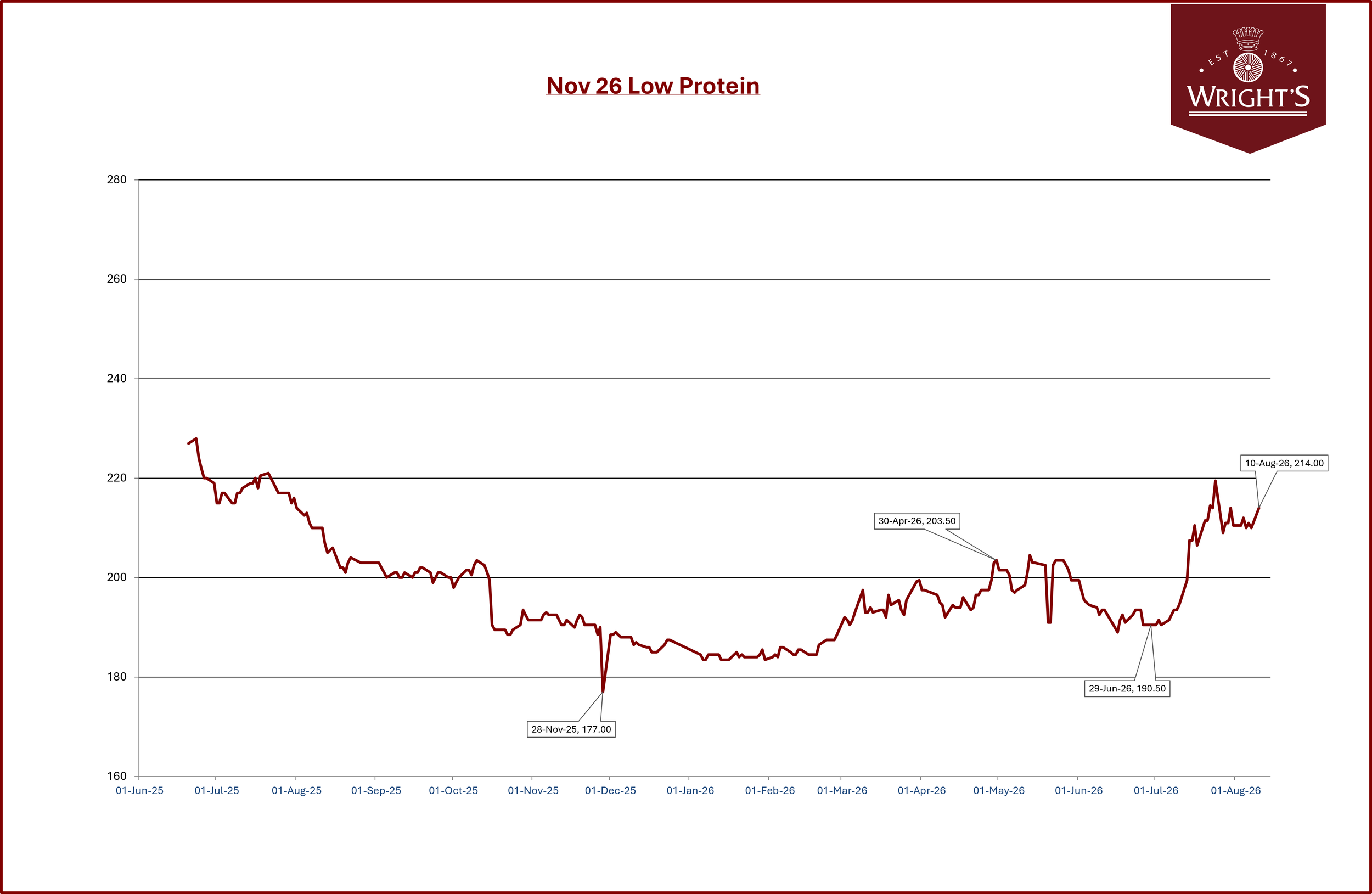
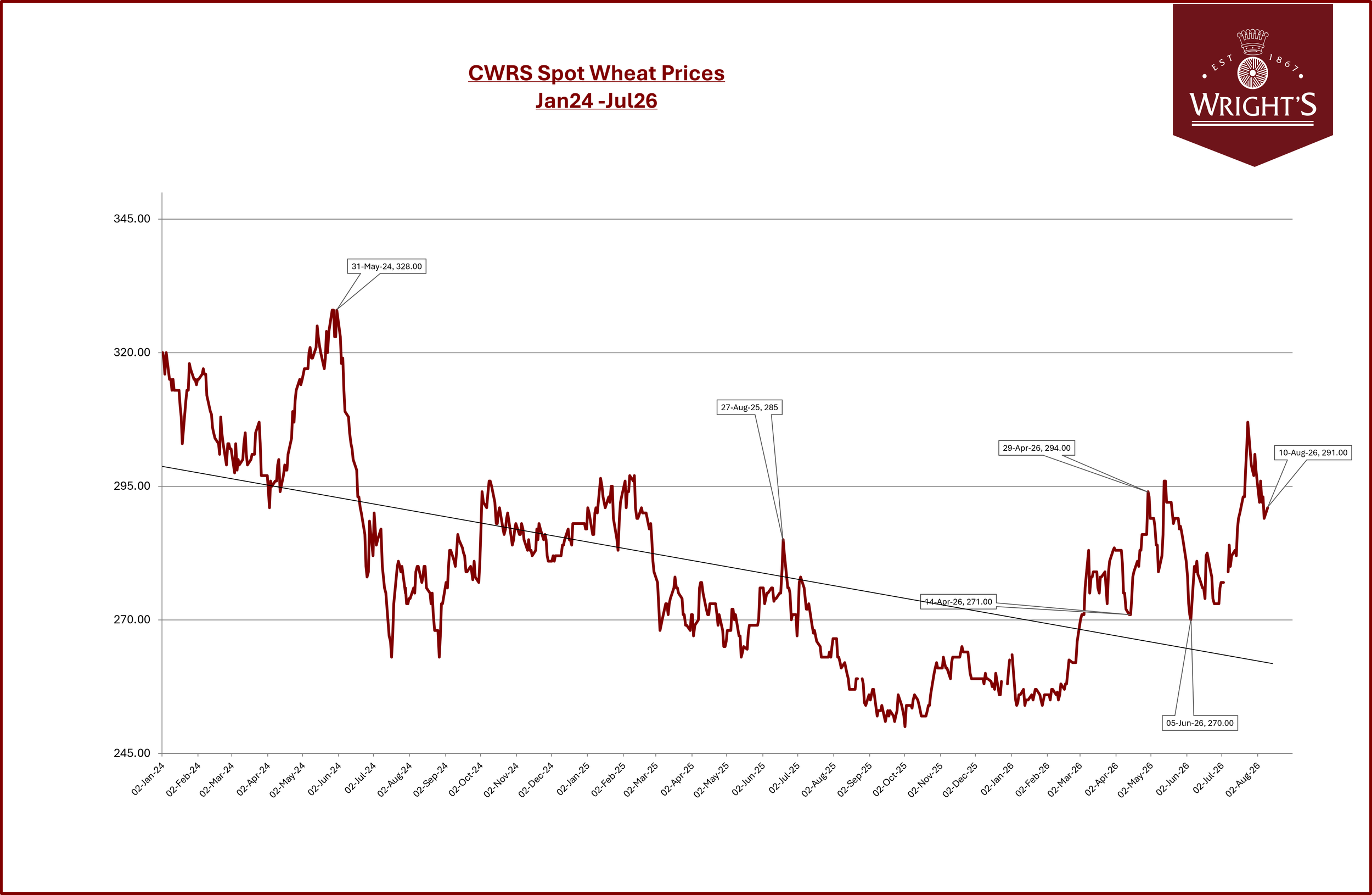
Alongside concerns over heat damage to European and US crops, and the re-escalation of Iran-US tensions until the latest cool-down, the Black Sea worries have provided cause to inject risk premium into prices, countering pressure from northern hemisphere harvests.
Tightening balance sheets, weather threats and geopolitical uncertainty continue to point to higher export prices ahead. However, large carryover stocks and harvest availability should keep rallies in check during the northern hemisphere harvest.
Market update
The scale of the squeeze on world wheat exports from the tactic of bringing shipping to the front line of the Russia-Ukraine war are – one month in - starting to become apparent.
Russia’s wheat exports last month are reported at 1.6Mt, the lowest July figure in nine years, and half the five-year average.
This setback does not reflect a shortage of crop available for export. Russia ended 2025/26 with wheat stocks of 25.0Mt, a six-year high, on USDA estimates, and is amid an above-average harvest, of 88-90Mt. The harvest is weighted towards the south, close to port, a factor which would usually facilitate rapid exports and pressure on prices during harvest.
In Ukraine, maritime wheat shipments were reported roughly halving year on year in the last week of July to 56.8Kt.
Again, this does not reflect the level of supplies themselves. Ukraine’s wheat harvest this year is broadly expected at 23-24Mt, in line with 2025, the best result since Russia’s 2022 invasion.
It is clear that Black Sea shipments from Russia and Ukraine, between them responsible for nearly 30% of world wheat exports, are being squeezed by the threat to vessels and ports of attack, rather than production deficits.
There remains some scope for both countries to export through other routes. Russia has alternatives in the Baltic and Caspian seas, although neither are substantial. The landlocked Caspian Sea anyway provides a direct route to only one major importer, Iran.
Ukraine’s border with Europe allows it to send crop to the EU, including to Constanta for shipment. However, potential is limited. Low Danube River levels are hampering barge traffic to Constanta, and the EU last year reimposed quotas on its ag imports from Ukraine.
The USDA’s Kyiv attache last week, citing the “current situation”, pegged Ukraine’s wheat exports in 2026/27 at 10.8Mt – below an official USDA forecast of 14.5Mt, and a result would be the lowest in 13 years.
Overall, Ukraine may need 10-12Mt of extra grain storage if port disruptions continue, agriculture minister Taras Vysotsky said.
Then why there hasn’t there been a bigger price impact? After all, following Russia’s 2022 invasion, Chicago wheat soared to twice its current levels.
Certainly, in Russia and Ukraine themselves, prices have moved. Russian wheat export prices have fallen to $220/t, their lowest in nearly two years, undercutting those of other major exporters. Farmgate values are, in rouble terms, at their weakest since April 2024.
Indeed, with farm margins also squeezed by rising costs, another knock-on effect of the shipping disruptions could be a dip in Russian and Ukrainian wheat area in the forthcoming autumn sowings campaign.
Nonetheless, at a global level, price support has been countered by - besides hopes for a Russia-Ukraine resolution - harvest pressure, ample carryover supplies from 2025/26, and strong 2026 crops in many major importers.
Still, these cushions will not last for ever. Even before the Black Sea disruptions started making waves a month ago, stocks held by wheat exporters including Russia and Ukraine were forecast ending 2026/27 at 7.1% of world use, well below the 8.3% average.
Stocks outside Russia and Ukraine were expected to tighten particularly significantly, even before the war, to 5.4% of global use, amongst the lowest readings this century. This ratio stands to fall further if Russia and Ukraine are sidelined for long.
Time is key. Lingering disruptions fuel the potential for further price support, as harvest pressure passes, exporters’ carry-in stocks erode, and importers run through their bumper crops.
However, Russia-Ukraine de-escalation, by contrast, could trigger significant price pressure, as Western origins’ $30-40/t premium to Russia would be unsustainable.
Currently, there appears to be little sign of a Russia-Ukraine resolution to direct vessel attacks, or of a repeat of 2022, when the UN and Turkey brokered a deal to get Black Sea grain exports moving. However, the market will be reluctant to realise upside price risk until the surplus from harvest, particularly in key importing destinations, has been depleted.